Dinosaurs


I didn’t get the memo about all these freakin’ dinosaurs.

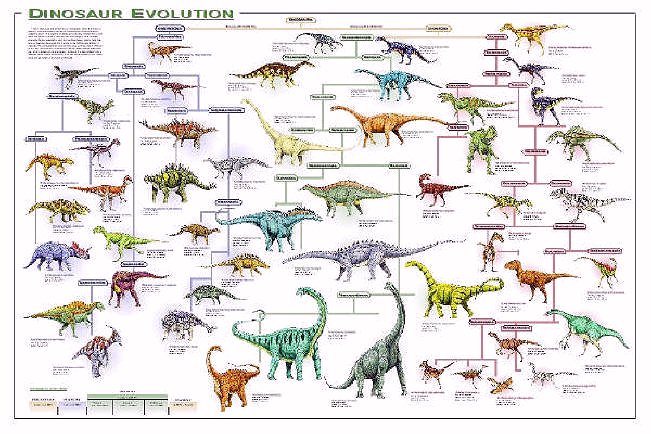
When I was a kid, there was the T-Rex, the triceratops, the brontosaurus, and for extra credit, the stegosaurus.  Come to find out, the brontosaurus didn’t really actually exist, and my two year old will very pointedly tell you that the proper nomenclature is now “apatosaurus”.   Before I could recover from my shock and confusion about the whole brontosaurus/apatosaurus debacle, I had to hit the ground running to learn a litany of new dinosaurs that I never knew existed.  Thanks to Steven Spielberg and “Jurassic Park”, I was partially clued in about Velociraptors, but it wasn’t until stumbling upon “Dinosaur Train” on PBS Kids that my dinosaur education truly began. 

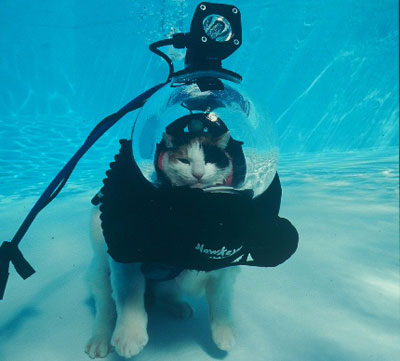
I’m resigned and comfortable with the fact that my son will always know the names of gazillions of dinosaurs, and I will always know the names of about four of them.  It’s like the dinosaur part of my brain closed up shop somewhere around the 3rd grade, and when I was in 3rd grade, there were about four known dinosaurs.  It’s not just a case of not being able to teach an old dog a new trick, it feels like teaching a cat to scuba dive.  It’s not impossible, but it just feels weird. 
 

I suppose this a part of getting older.  The state of knowledge changes and you just have to try to keep up.  And sometimes it’s not even knowledge, it’s culture.  The other night my husband and I were watching a History Channel program and the narrator made a reference to “BCE”.  My dear husband asked, “What the hell is ‘BCE’?” I said, “Before the Common Era.”  He said, “What happened to ‘Before Christ’?”  This launched the whole discussion about how evolving sensibilities about religious diversity and tolerance have probably led to more people using the more neutral term.  But when we were growing up, it was all BC, all the time.  

When I was a kid, Pluto was a planet, these days, not so much.  If I pay close enough attention, maybe there’s a chance I’ll catch on and comprehend when I’m asked to unlearn and relearn the next big thing.  Memo received.

© 2011 Jamie Walker Ball

Mise En Place


I missed the memo on mise en place.

Mise en place sounds fancy, but it’s a simple idea.  It’s a French phrase which refers to the practice of reading through a recipe, measuring and prepping ingredients, and ensuring you have the necessary equipment at the ready before you actually begin cooking.  

When I was in 6th grade, I had a particularly sadistic teacher who taught us a lesson about reading and following instructions by giving the class a trick test which featured a long list of instructions, the last of which was to just put your name on the paper and ignore rest of the test items.  For me, cooking was sometimes  like taking one of those trick tests; I’d get to the end of recipe and realize that I was missing an ingredient, or that I hadn’t timed things properly.  Cooking FAIL.

I have been cooking since I was about 10 years old and I think I first stumbled across the idea of mise en place while watching a Food Network show some 20+ years later.  So that’s  a couple decades worth of culinary chaos.   When I finally clued in about the practice of mise en place, it was a revelation.   I can’t say that I employ the practice every time I cook, but when I make effort, the effort is richly rewarded. 

As I’ve mulled over the impact of mise en place on my cooking, it’s occurred to me how universal a principle it is.  Almost every complicated task is made easier if I take a second at the outset to understand the steps I’ll need to take to get from the starting point to the ending point.  This feels like such a big “duh” kind of thing, but I often find myself fighting the urge to dive into new projects without really thinking them through. 

I’m not what Steven Covey would call “a highly effective person,” but it sometimes makes sense to  “begin with the end in mind.”   A little bit of planning goes a long way in most aspects of life.  Sometimes magic happens when you just start throwing stuff in a pot, no recipe, no rules. But sometimes, it helps to have a plan. Memo received.

© 2011 Jamie Walker Ball

Greek Yogurt


So I’m going to start with something that though seemingly small,  seemed like a big deal to me. I did not get the memo about Greek yogurt.

After years of trying various brands of yogurts, sweating their various shortcomings in texture, flavor, and nutrition, I finally happened  upon one of those “eat this not that” type articles that suggested Greek yogurt as an alternative to the alternatives.

So…I bought some and it was love at first spoonful. Creamy, dense, tangy…and available in a variety of delicious flavors. It has more calories and fat than most other formulations, but packs the nutritional punch of lots of protein, calcium, and all those active cultures that make your intestines happy.

And my reaction was…where have you been all my life? I’m hooked. Breakfast, snacks, dessert…anytime is a good time for Greek yogurt. This got me to thinking…why had I never clued in to the existence of Greek yogurt? I live in a huge metropolitan area and have darkened the door of many a Trader Joe’s and Whole Foods, which carry several brands of Greek yogurt. Now I’m noticing that it’s also in the dairy case at more mainstream super markets as well. What made me always reach for the more familiar brand-name yogurt? Was I brainwashed by advertising? A yogurt xenophobe? What gives?

So now Greek yogurt is a mainstay on my grocery list, big deal, right? Well, kind of. It’s a big deal because now I’m thinking about the cost-benefit analysis that accompanies a lot of choices. And I’m also thinking about how I’m usually on auto pilot when it comes to making a lot of decisions. Auto pilot is awesome, it saves a lot of energy, but every once in a while, it’s good to fly by sight. So Greek yogurt as a metaphor for self-determination? Memo received.

All Memos, Great and Small


So, to get me started I thought it might be useful to think about the types of memos I’ve missed, and I think the most useful way to classify them is by how I’ve reacted when I finally did get the memo. In my humble estimation, there are four types of memos:

Some memos are just funny little moments of insight, some are disappointing, some are delightful, and some are actual revelations. As a I wax on about the memos I’ve missed, I’ll try to take stock of what it meant at the time, what it means now, and tell you all the stuff that occurred to me along the way.